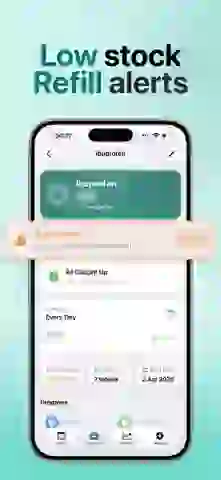


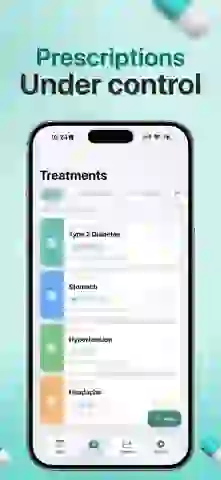

Doz: Medication Reminder IPA is presented as an app whose name suggests a focused digital experience centered on simplifying a specific task. Based on the available information, it would be inappropriate to assume or invent features beyond what is provided. Therefore, this article focuses on what the app’s name implies while avoiding unsupported claims about its functionality.
The term “Medication Reminder” indicates that the app is associated with helping users manage medication-related routines. Meanwhile, the “IPA” designation typically refers to an iOS application package, although the exact purpose or distribution method cannot be confirmed from the available information alone. Because no official feature list or documentation has been provided, any detailed descriptions of notifications, scheduling tools, tracking systems, or integrations would be speculative.
Instead, this overview explains the likely purpose suggested by the app’s name while emphasizing the importance of relying on official sources for accurate details.
What Is Doz: Medication Reminder IPA?
Doz: Medication Reminder IPA appears to be an application associated with medication reminders. The app’s name suggests a digital tool intended to simplify medication-related tasks for users. However, without verified information from the developer or official documentation, it is not possible to accurately describe how the application works or what capabilities it includes.
Rather than assuming the presence of features such as recurring reminders, prescription management, caregiver support, or health tracking, it is more accurate to recognize that the application’s exact functionality remains unspecified based on the information available.
Users interested in the app should consult official sources to learn about supported devices, installation methods, compatibility, privacy policies, and available features.
Why Medication Reminder Apps Are Popular
Medication reminder applications have become increasingly valuable for individuals who need help maintaining consistent medication schedules. Many people manage multiple prescriptions, vitamins, or supplements, making organization an important part of daily healthcare routines.
Digital reminder applications are generally designed to reduce the likelihood of missed doses by providing convenient scheduling and alerts. However, these are common characteristics of the category as a whole and should not be interpreted as confirmed features of Doz: Medication Reminder IPA.
Different medication reminder applications vary significantly in design, functionality, and intended audience. Some focus on simplicity, while others include extensive health management tools. Without verified documentation, it is impossible to determine where Doz fits within this range.
Understanding the “IPA” Designation
The term “IPA” commonly refers to an iOS App Store Package used for Apple devices. In many contexts, an IPA file contains the installation package for an iOS application.
However, the inclusion of “IPA” in the app’s name does not necessarily describe how the application is distributed or installed. It may simply be part of the title used by a website, listing, or download source.
Because installation methods differ depending on the source and Apple’s policies, users should always obtain software through trusted and authorized channels whenever possible.
Things to Consider Before Installing
Before installing any medication-related application, users should take a few important precautions:
- Verify that the application comes from a trusted source.
- Review the developer’s information and privacy policy.
- Check compatibility with your device.
- Read recent user reviews if available.
- Understand what permissions the application requests.
These general recommendations apply to mobile applications broadly and are especially relevant for software that may handle health-related information.
Avoid Making Assumptions About Features
One of the most important considerations when discussing Doz: Medication Reminder IPA is avoiding unsupported assumptions.
Without official documentation, it would be misleading to claim that the application offers:
- Custom medication schedules
- Push notifications
- Refill reminders
- Prescription scanning
- Doctor sharing
- Cloud synchronization
- Apple Health integration
- Family caregiver support
- Medication history
- Offline functionality
These capabilities are common in some medication reminder applications, but there is no verified information confirming that Doz includes any of them.
Providing only confirmed information helps users make informed decisions and prevents confusion.
Importance of Accurate App Information
Accurate descriptions are particularly important for healthcare-related applications. Users depend on reliable information when selecting digital tools that may become part of their daily routines.
Misrepresenting an application’s capabilities could create unrealistic expectations or lead users to believe an app performs functions that it does not actually provide.
For this reason, responsible app descriptions distinguish between verified facts and general observations about a category of software.
Who Might Be Interested?
Based solely on its name, Doz: Medication Reminder IPA may appeal to individuals looking for digital assistance with medication-related organization. This observation reflects the implication of the app’s title rather than confirmed functionality.
Potential users may include:
- Individuals managing daily medications.
- Caregivers researching medication-related tools.
- Families exploring organizational apps.
- Users interested in digital health applications.
These examples describe audiences that commonly seek medication reminder software but should not be interpreted as confirmation of the app’s intended user base.
Final Thoughts
Doz: Medication Reminder IPA appears, by name, to represent a focused digital experience related to medication reminders. Beyond that general implication, there is insufficient verified information to accurately describe its specific features, interface, capabilities, or supported platforms.
Rather than speculating, it is best to rely on official documentation and trusted sources for complete details about the application. This approach ensures users receive accurate information and can evaluate whether the app meets their personal needs.
When reviewing any healthcare-related software, verifying the developer, understanding the privacy policy, and confirming available features are important steps before installation or regular use. By focusing on confirmed information instead of assumptions, users can make more informed and confident decisions about the applications they choose.